Less waste. More possibilities.
Much of what is manufactured today is made in large batches, far away, in the hope that someone will buy it. Some of it waits in warehouses. Some of it is never used. Meanwhile, a broken clip or a missing knob can send a whole object to landfill because the right part is nowhere to be found.
We believe there is a better way to think about making: rethink, remake, reuse. Designs can travel digitally, and objects can be made closer to the people who need them, when they need them. That idea is central to our vision. But a better idea is only the start. Being responsible means being honest about what it achieves.
Where the potential lies
Making on demand instead of overstock
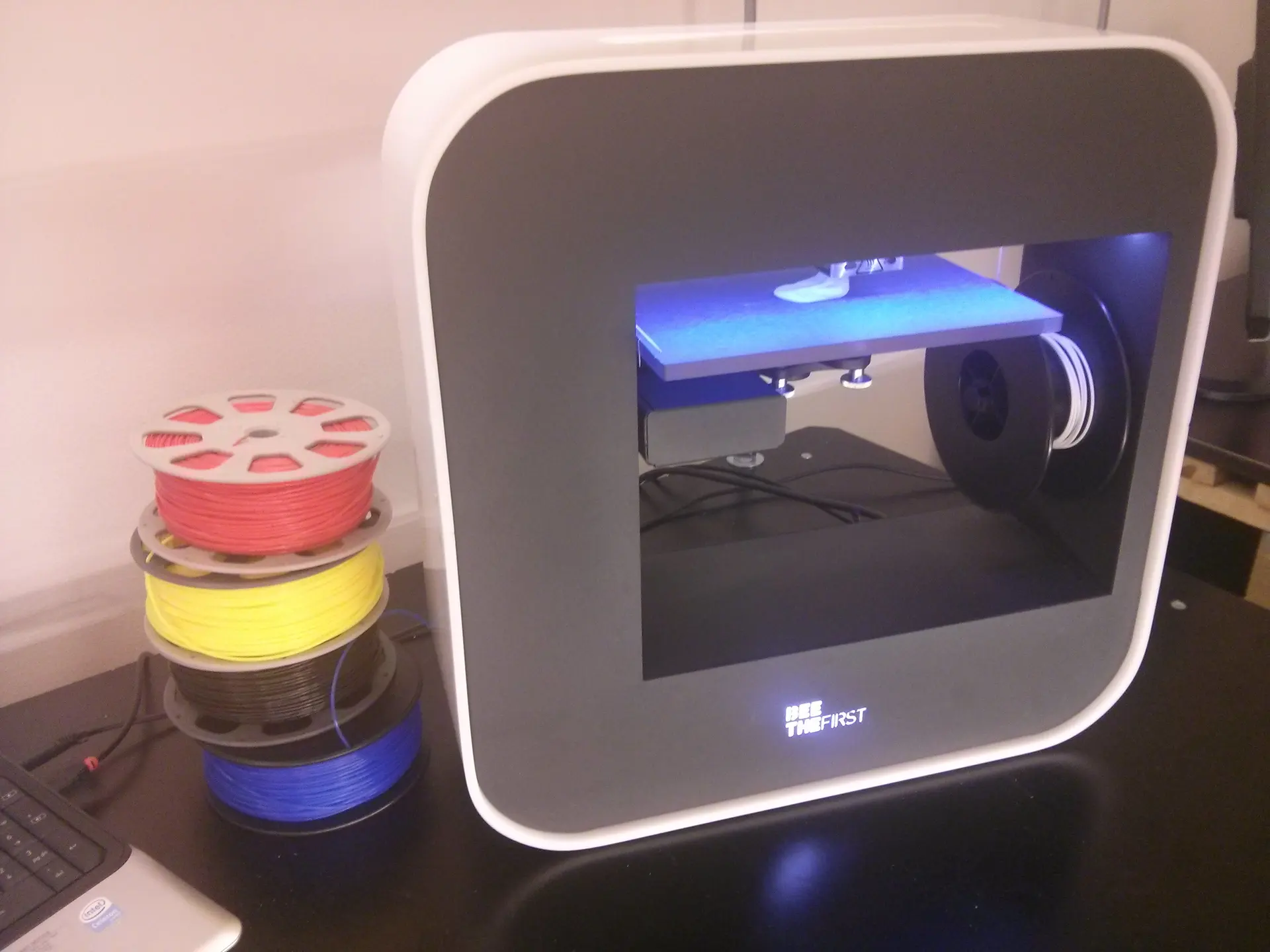
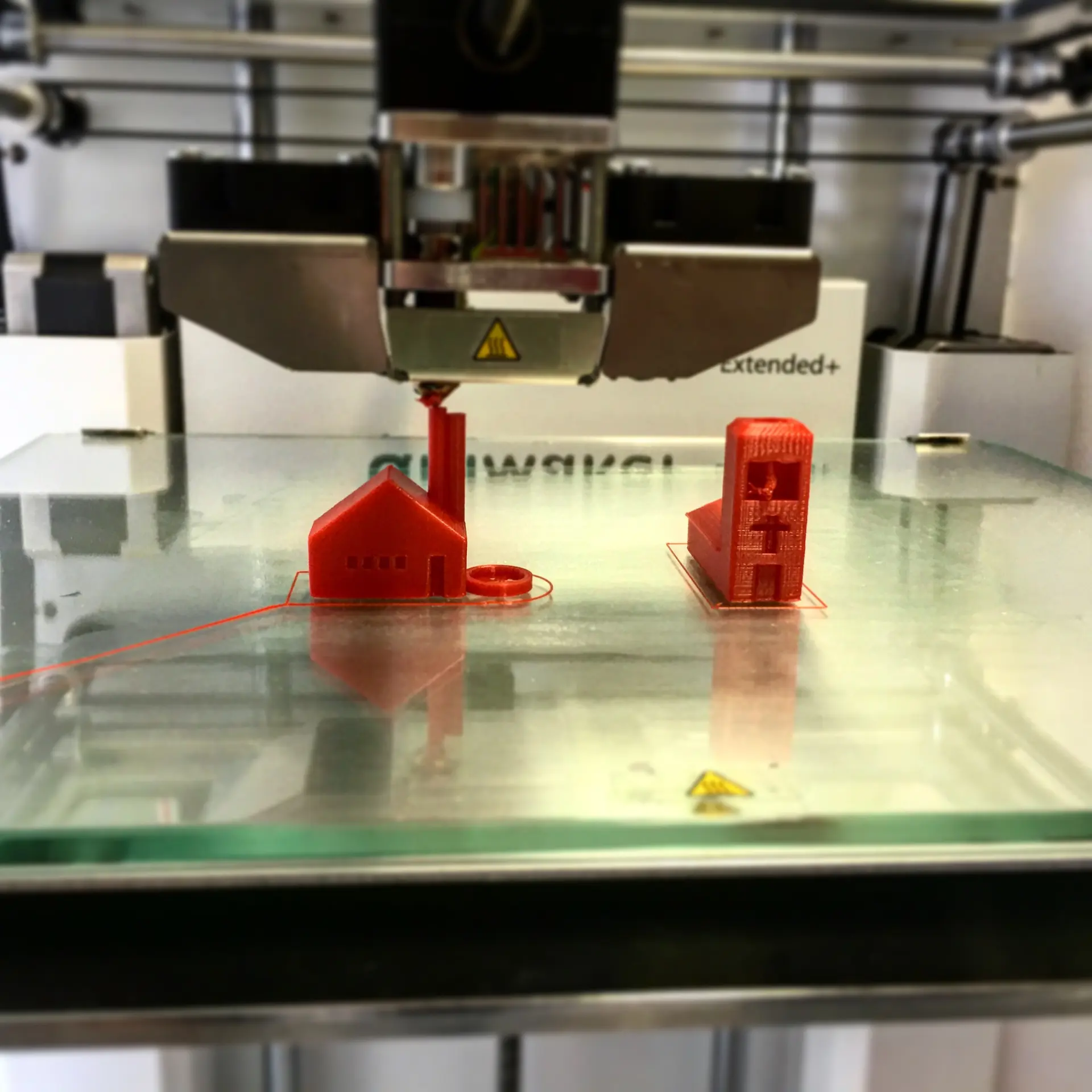
In our planned model, a piece is printed only after an order has been placed. There is no shelf of finished goods waiting for a buyer, and no need to guess demand months ahead. Making to order is designed to avoid the waste of products that are made but never wanted.
Repair and spare parts
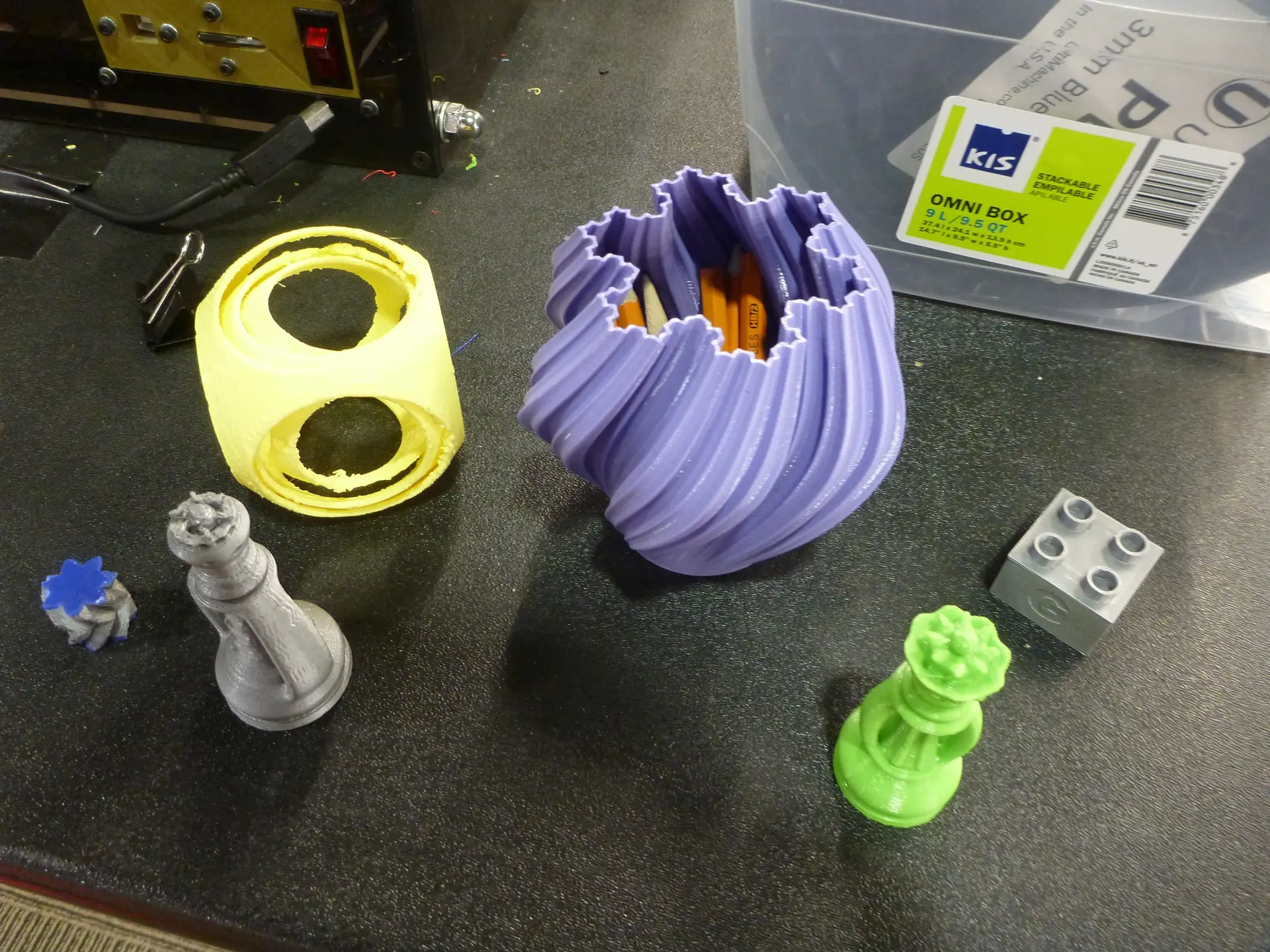
Some of the most useful things a local printer can make are small: a replacement bracket, a knob, a clip, a cover. Where a creator or manufacturer authorises a part for printing, local making could help keep a useful object in service rather than replacing it altogether. Repair is often the most responsible choice of all.
Shorter journeys
When a piece is made nearby, it has less distance to travel. Our planned order journey also keeps every order together as one delivery, and only after the customer has accepted it, so pieces are not sent on journeys they did not need. Shorter journeys are a direction, not a promise of instant fulfilment.
A benefit we have not measured is a benefit we have not earned.
Honest about measuring
Local, on-demand printing is not automatically greener. It changes where and how resources are used, and the true effect depends on many details. We intend to count the things that are easy to overlook:
- Support and failure waste. Many prints need supports that are removed and discarded, and some prints fail. Both use material that never becomes a finished piece.
- Packaging. Protecting a piece in transit uses materials of its own, and that should be kept proportionate.
- Energy. Printers use electricity for hours at a time, and many small machines are not necessarily more efficient than one large factory.
- Logistics. Short local trips still have an impact, especially if they are poorly planned.
Until these are measured, we will describe environmental benefits as potential, not as fact. In particular, we do not describe local printing as zero-carbon. It is not.
Careful material claims
Materials matter, and claims about them deserve care. Common printing materials are sometimes described in ways that sound greener than the evidence supports. We will not describe any material as biodegradable or harmless unless there is proper evidence for that claim in the conditions where it would apply.
The same caution applies to recycling. Recovering and reusing filament is an attractive idea, and one we want to explore, but it needs to be tested and validated before we say it works. We welcome conversations with materials suppliers and specialists who can help us assess options with evidence, including safety, performance and handling.
Responsibility is shared
Responsible making is not something one organisation can do alone. Creators can design parts that use less material and need fewer supports. Merchants can handle materials carefully and keep failures low through attentive on-site care. Equipment and materials partners can share honest evidence about what their products can and cannot do. Delivery partners can help keep journeys efficient. Each has a part to play, and each part should be clear and fair.
Where we are today
These are principles and intentions, not results. Our network is in development and not yet operating as a live service, so we have no measured environmental outcomes to report, and we will not invent any. When we do have data, we intend to share how it was measured as well as what it shows.
If you can help us make better choices about materials, equipment, packaging or delivery, or if you simply want to make things in a more thoughtful way, get in touch.