Bigger than any one platform
Local making will only reach its potential if many companies can take part: printer manufacturers, materials specialists, software builders, merchants, delivery people and creators. No single business has all of that expertise, and none should try to own it.
That is why we support the direction of 3D Printing as a Service — a way of making physical things on demand, close to where they are needed, through connections that are open rather than locked to one provider. It reflects one of the core values we stand for: open by design.
The goal is not to make an industry an appendage of one platform. It is to let many businesses connect, compete and grow on fair terms.
What “open” means to us
Openness is easy to claim and harder to practise. We mean three concrete things:
- Open protocols — the ways participants exchange information about designs, quotes, orders and fulfilment should be documented and usable by others, not hidden.
- Interoperable standards — equipment, materials and software from different companies should be able to work together through agreed interfaces.
- Participation across companies — an open ecosystem is not an exclusive merchant channel. Competitors should be able to take part side by side.
The intended scope is deliberately modest. A minimum set of shared interfaces — identity and capability, models and quotes, fulfilment events, material accounting, rights and reconciliation — matters more than trying to standardise everything. We are not trying to unify machine instructions or take remote control of anyone’s equipment.
Your brand, your customers, your freedom to leave
Businesses are rightly cautious about platforms that start open and end captive. So we want the principle to be stated plainly from the beginning: participants keep their own brand, keep their own customer relationships and keep the freedom to leave.
A merchant who acts as a local service node remains their own business. A printer maker remains a printer maker with its own name on the machine. Openness that cannot be walked away from is not openness at all.
Open access is not unreviewed access
Open does not mean anything goes. A network that makes physical objects for real people carries real responsibilities for quality, safety and creators’ rights. Participants should expect review before they are connected, and clear standards once they are.
That is consistent with how we approach responsible making and respect for creators: openness and care are meant to reinforce each other, not compete.
Interoperability is earned, not announced
It is tempting to call something a standard the moment it is written down. We intend to resist that. A specification only becomes interoperable when it has been implemented independently — by separate teams, in separate code — and shown to work together.
So we will not claim interoperability until independent implementations exist. Until then, any shared interface should be described honestly as a proposal, open to scrutiny and improvement by the companies who would rely on it.
Clear responsibilities for industry partners
Collaboration works best when everyone knows what they are accountable for. Before anything is used in production, we expect compatibility, quality and responsibilities to be defined:
Equipment makers
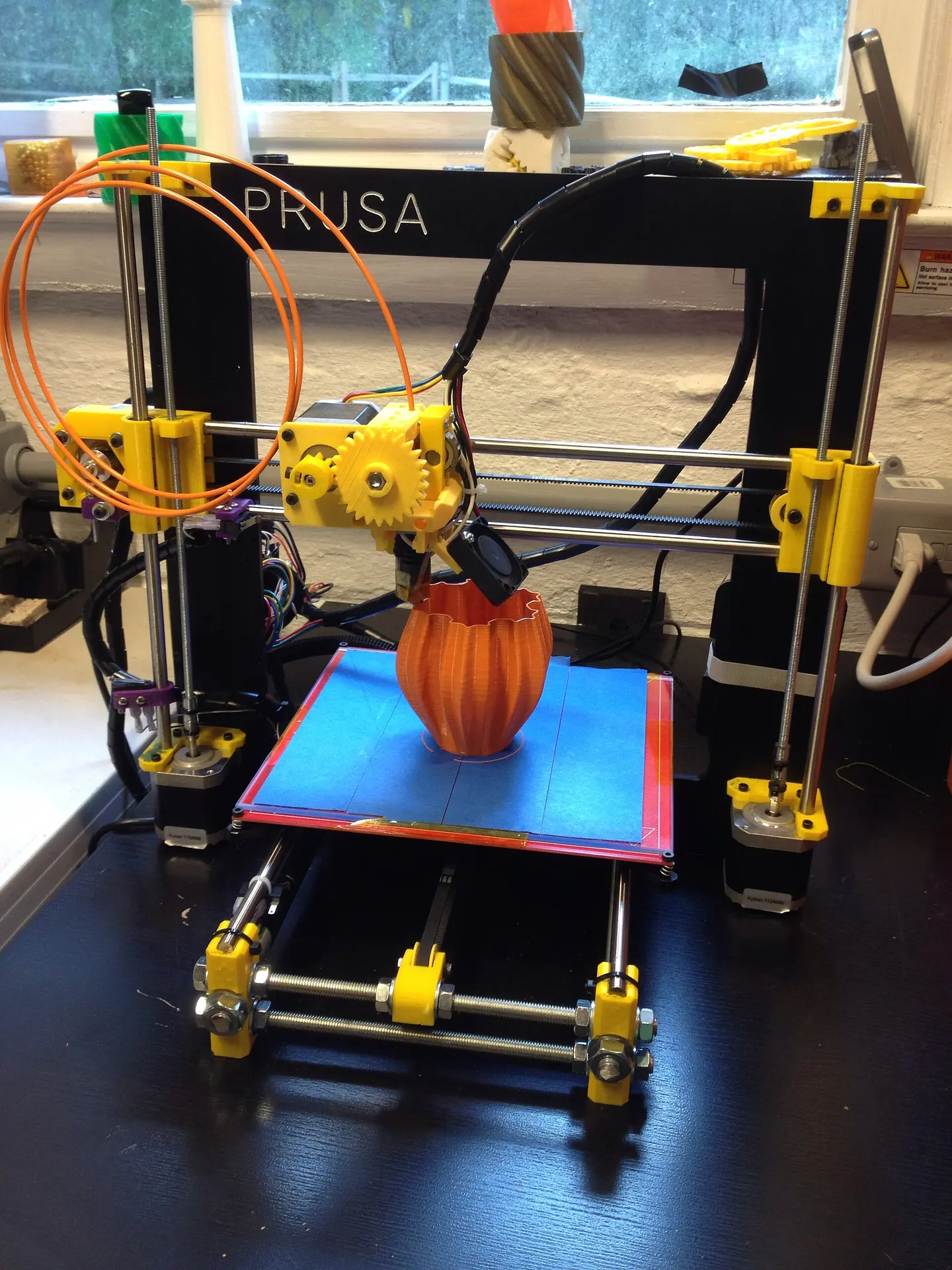
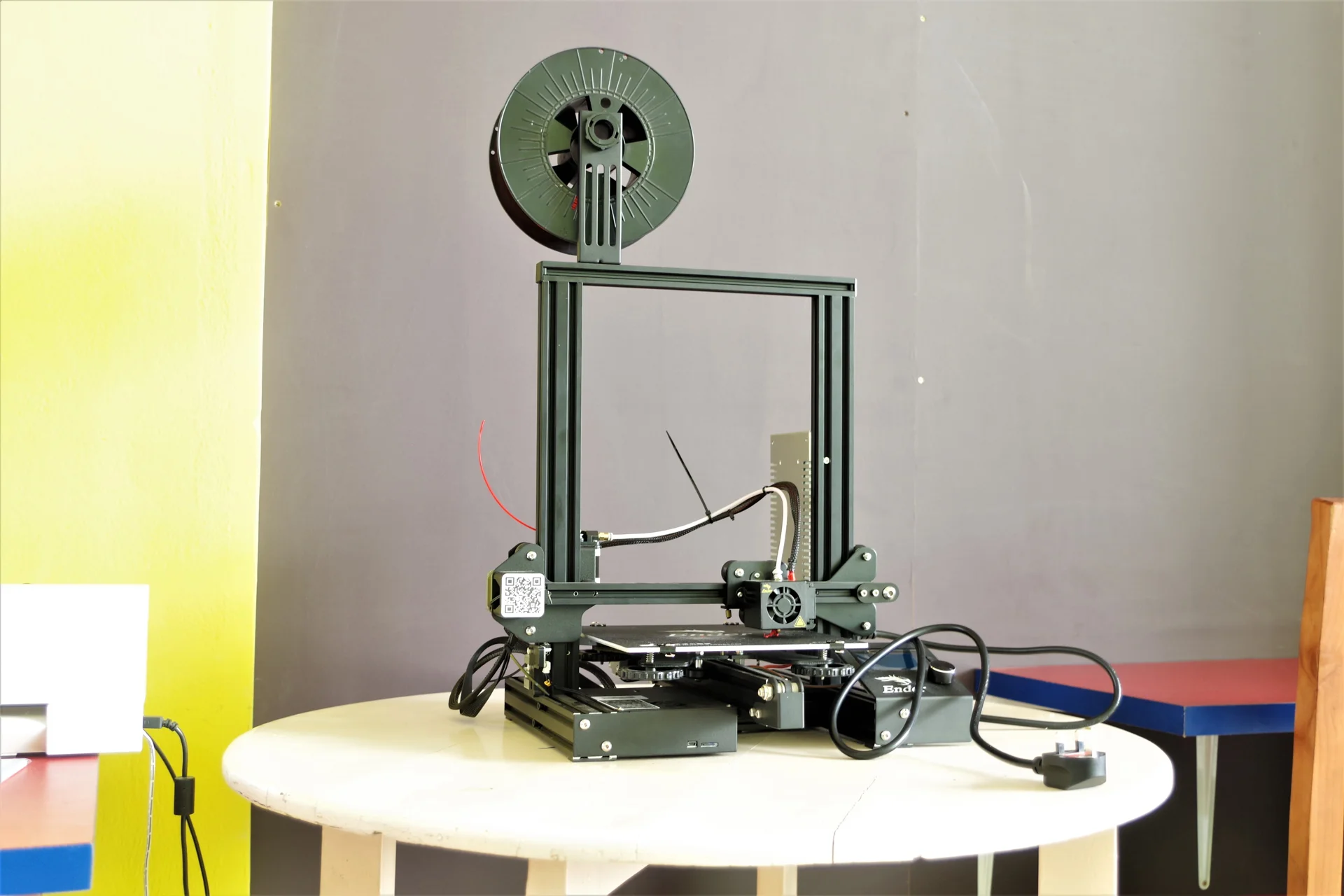
Describe the real capabilities of printers and related hardware accurately, and never overstate compatibility. See our page for 3D printer suppliers.
Materials suppliers
Provide evidence about material properties and print suitability, so that claims can be checked rather than assumed. See our page for materials suppliers and specialists.
Technology partners
Build against documented interfaces, respect the separate layers of protocol, software, content and trademark rights, and contribute to independent implementations that let interoperability be tested.
Responsibilities that are still undecided will be described as undecided, and settled openly with the people affected.
Why get involved now
Standards are shaped by those who turn up early. The questions being worked through today — what a capability description should contain, how material use is accounted for, how rights travel with a design — will affect everyone who builds on them later.
If your company has practical knowledge of printers, materials, slicing, quality assurance, fulfilment or rights management, your input can help make these answers workable for the whole industry, not convenient for one platform.
Where we are today
We want to be clear about what is ready and what is not. We support an open direction for 3D Printing as a Service, but no alliance has been formed and there are no signed members. Nothing on this page is a claim that an established industry body already exists.
Shared interfaces are at proposal stage, no interoperability has yet been demonstrated, and licensing terms for protocols, software and documentation are still to be chosen. Platform development is taking place through TALODI.network (opens in a new tab), our separate platform initiative.
What we can offer is an early, honest conversation. If you are an equipment, materials or technology company that wants local making to stay open, get in touch through our application form.