Why materials come first
A local maker can follow a design perfectly and still deliver a disappointing object if the material is wrong for the job. Material decides how a piece looks, how it feels, how it lasts and how it should be used. It also shapes much of the environmental story of local making: how much is wasted, how it is stored, how it is packaged and how it ends its life.
Our vision is that ideas travel and opportunity stays local. Designs move digitally; objects are made nearby, checked carefully and delivered locally. For that to earn trust, the materials behind every piece have to be understood, consistent and honestly described. That is where we need expert help.
Where our thinking starts
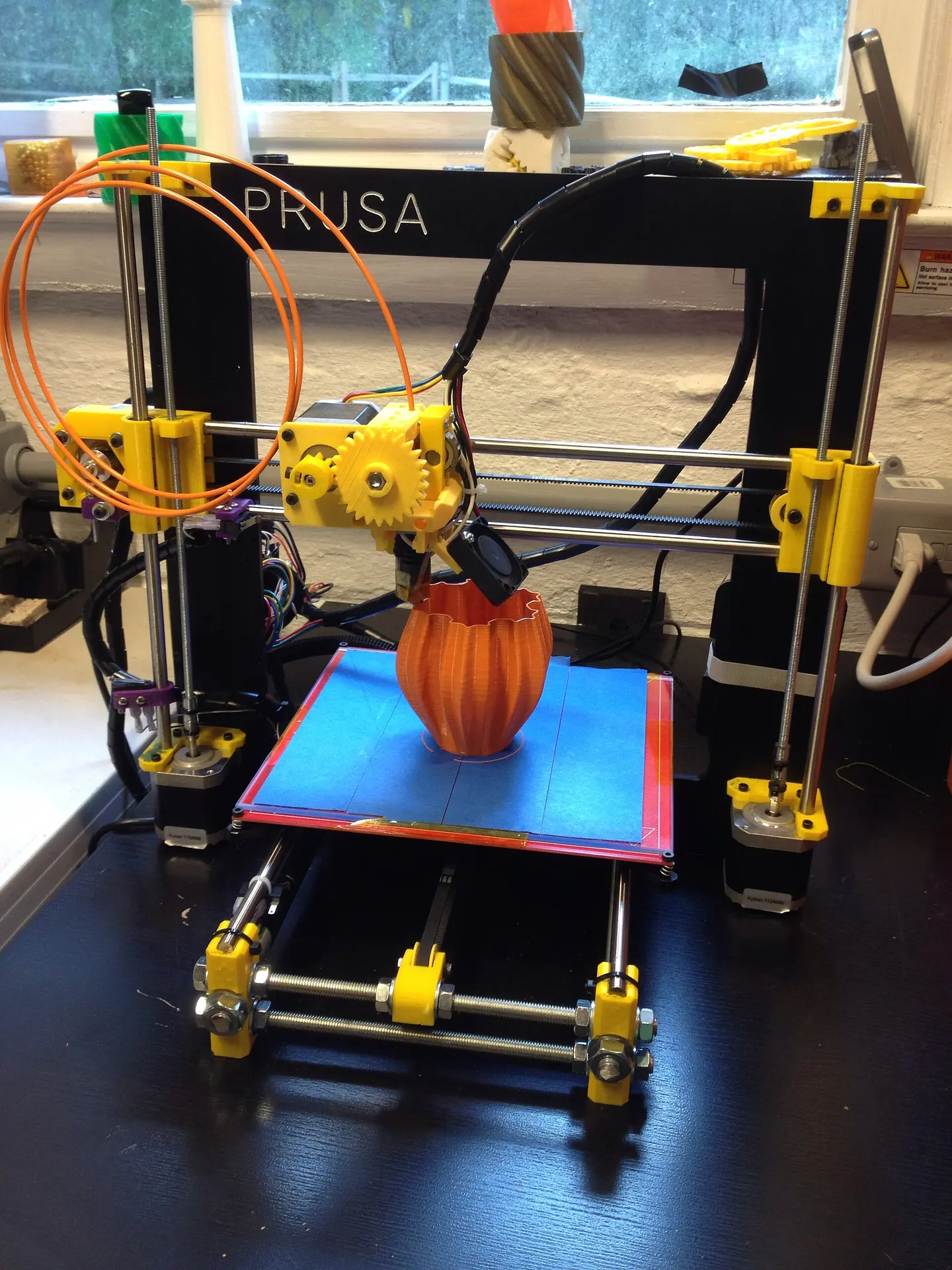
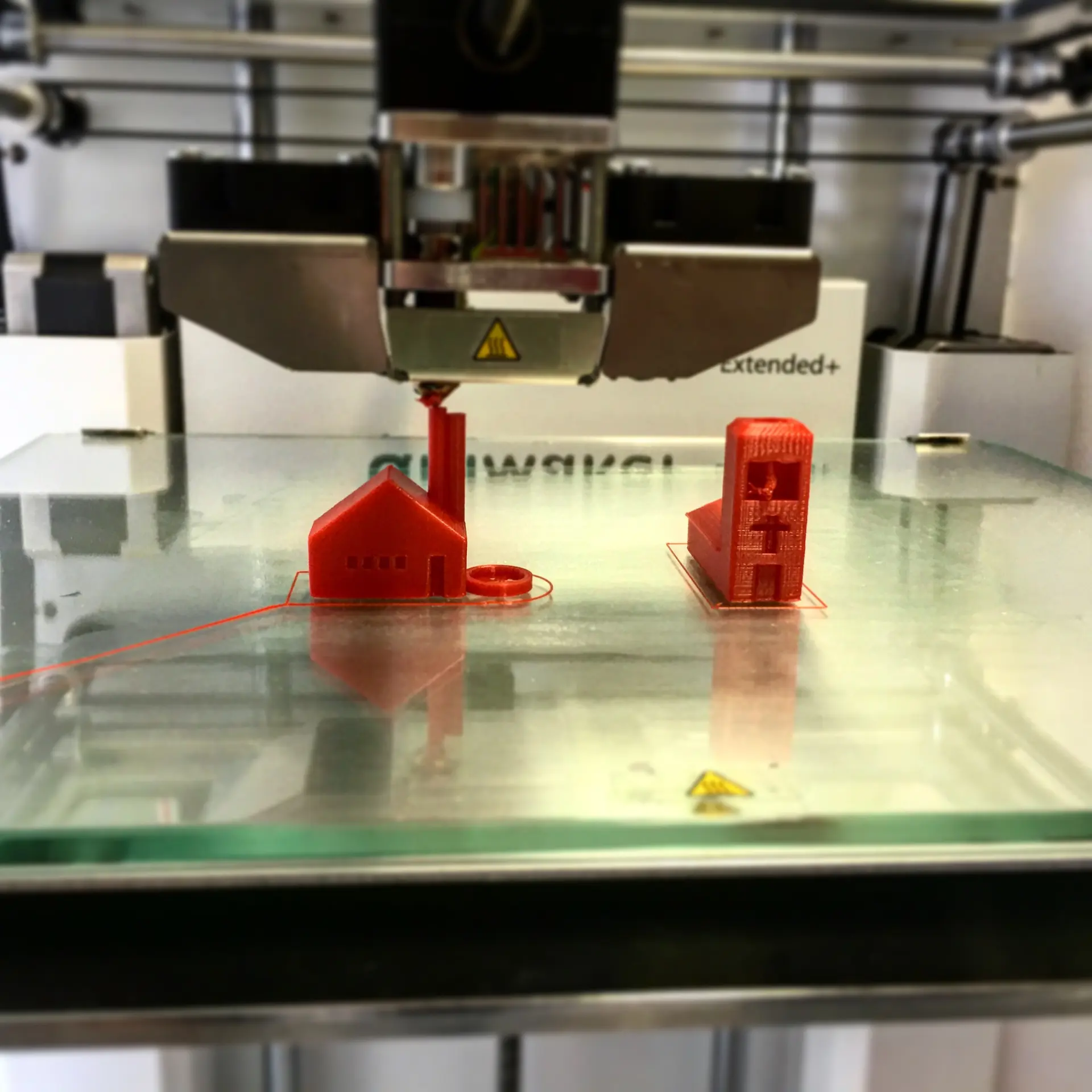
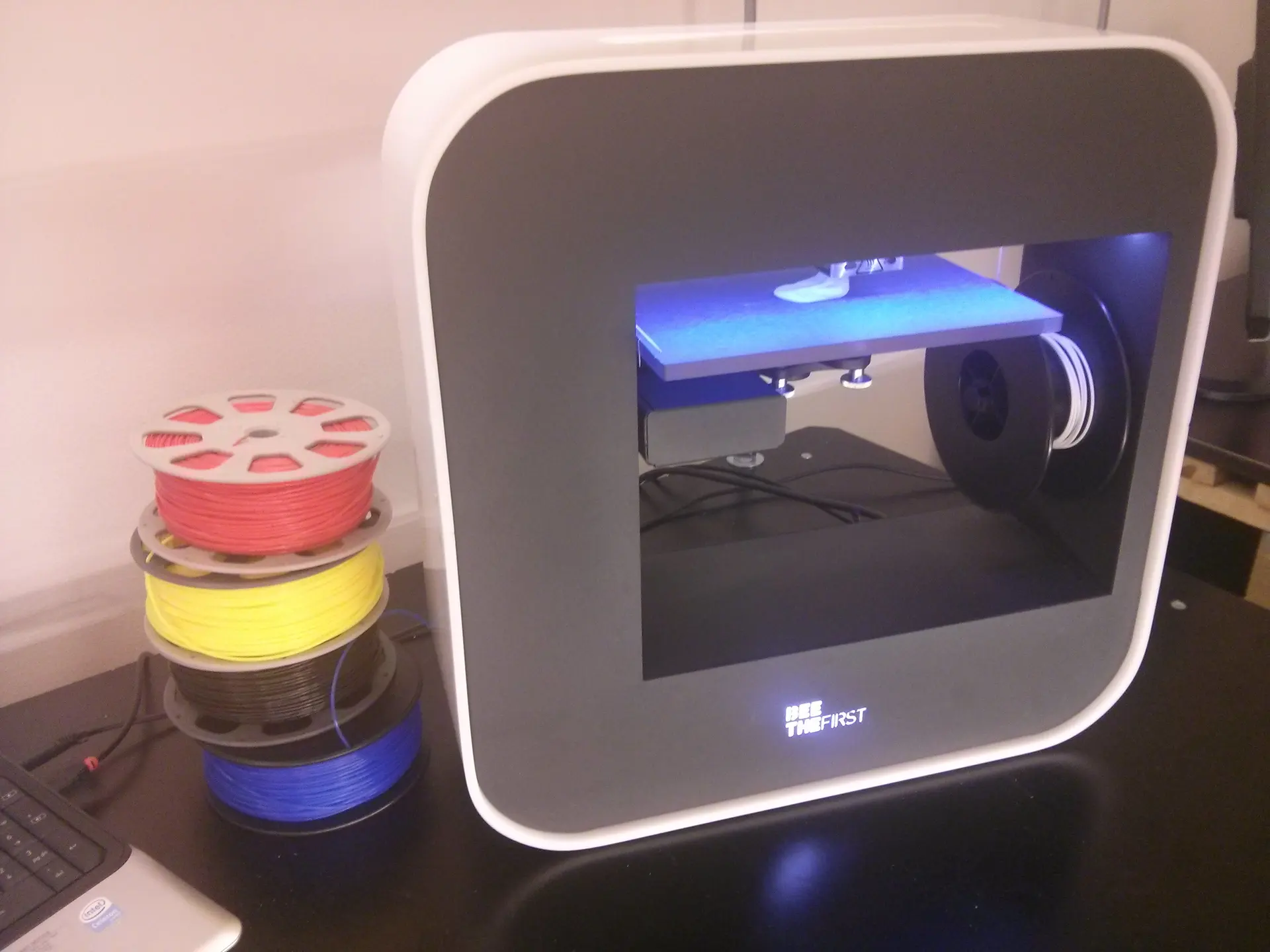
Our first pilot thinking centres on FDM printing with PLA. It is a widely used, familiar starting point that suits many everyday objects and helps keep early workflows simple for merchants. This is a planning principle, not a running service, and it is not a claim that PLA is right for every use.
We are also careful about how we describe it. We do not describe PLA as biodegradable, and we do not claim that local printing is zero-carbon. Potential benefits, such as less support and failed-print waste, lighter packaging and shorter journeys, are things to be measured, not assumed. Our approach is set out in Responsible making.
Beyond a first pilot, we expect to learn about other materials and processes over time. Specialists who can help us decide when, and when not, to broaden the range would be especially welcome.
What we want to understand
Compatibility
Which machines, nozzles, temperatures and settings has a material been tested with? We value clear, tested compatibility over broad claims. Materials and equipment decisions are closely linked, which is why we are also talking with 3D printer suppliers.
Intended use
What is a material suitable for, and what should it not be used for? Heat, load, outdoor exposure, skin or food contact and children’s products all raise different questions. No material is approved for every application, and we want customers and merchants to receive clear guidance rather than optimistic assumptions.
Specifications
Diameter tolerance, colour consistency between batches, mechanical properties and printing behaviour all affect whether a merchant can deliver repeatable quality. Published, verifiable data sheets help us compare options fairly.
Storage and handling
Service nodes are intended to be ordinary local workspaces. We want to understand moisture sensitivity, shelf life, safe handling, ventilation guidance and what a merchant needs to keep material in good condition.
Consistent supply
Local making only works if the same material is available next month in the same specification. We would like to discuss lead times, batch traceability, regional availability, including our development focus in Hong Kong and Shanghai, and how changes to a product would be communicated.
Evidence behind claims
Safety, performance and environmental claims require appropriate evidence before use. Test reports, certifications, safety data and the conditions under which results were obtained matter more to us than adjectives. If something has not been tested, we would rather know.
If a material has not been tested for a use, we would rather know. Evidence comes before claims.
Why get involved now
Being early means your expertise can shape decisions while they are still being made. Suppliers and specialists could help define the quality requirements, storage guidance and claims standards that a developing open network will rely on. As planning progresses, materials would be considered against the conditions of real local production rather than ideal laboratory settings, and that practical perspective can be valuable in return.
We are open by design. Participants keep their brand and their freedom to leave, and we are not looking for exclusive arrangements.
What we would discuss first
- The materials you supply or specialise in, and the uses they suit.
- Tested printers and settings, with any known limitations.
- Specifications, batch consistency and available test data.
- Storage, handling and safety documentation for operators.
- Supply reliability, lead times and regional availability.
- Any environmental claims, and the evidence that supports them.
Selection would depend on evaluation and agreed quality requirements. Responsibilities, including those that remain undecided today such as how material used in failed prints is treated, would need to be discussed and agreed before any participation.
What we will not promise
This page is an invitation to talk, not an approval list. No material or supplier has been selected, and applying is not a purchase commitment, a guarantee of volumes or an endorsement of any product.
Where we are today
Our printing workflows, merchant model and platform, TALODI.network (opens in a new tab), are in development. FDM with PLA is our starting point for planning, not a live operation, and no materials have been approved. What we have is a clear commitment to choosing carefully and describing honestly. If you can help with that, we would value the conversation.